SECRET, SACRED, SCIENTIFIC, IMPROBABLE. ALL THE GREEN OF LUCCA.
A green itinerary, within the walls of a city. Possible if the city is this ancient town, Roman, medieval and then Renaissance, which still jealously preserves within its walls an unimaginable number of green “loci amoeni”.
An itinerary to be walked in silence. A little contemplative, a little curious, whose guide can only be Saint Zita, the little Lucca saint of flowers, patron of maids and bakers.
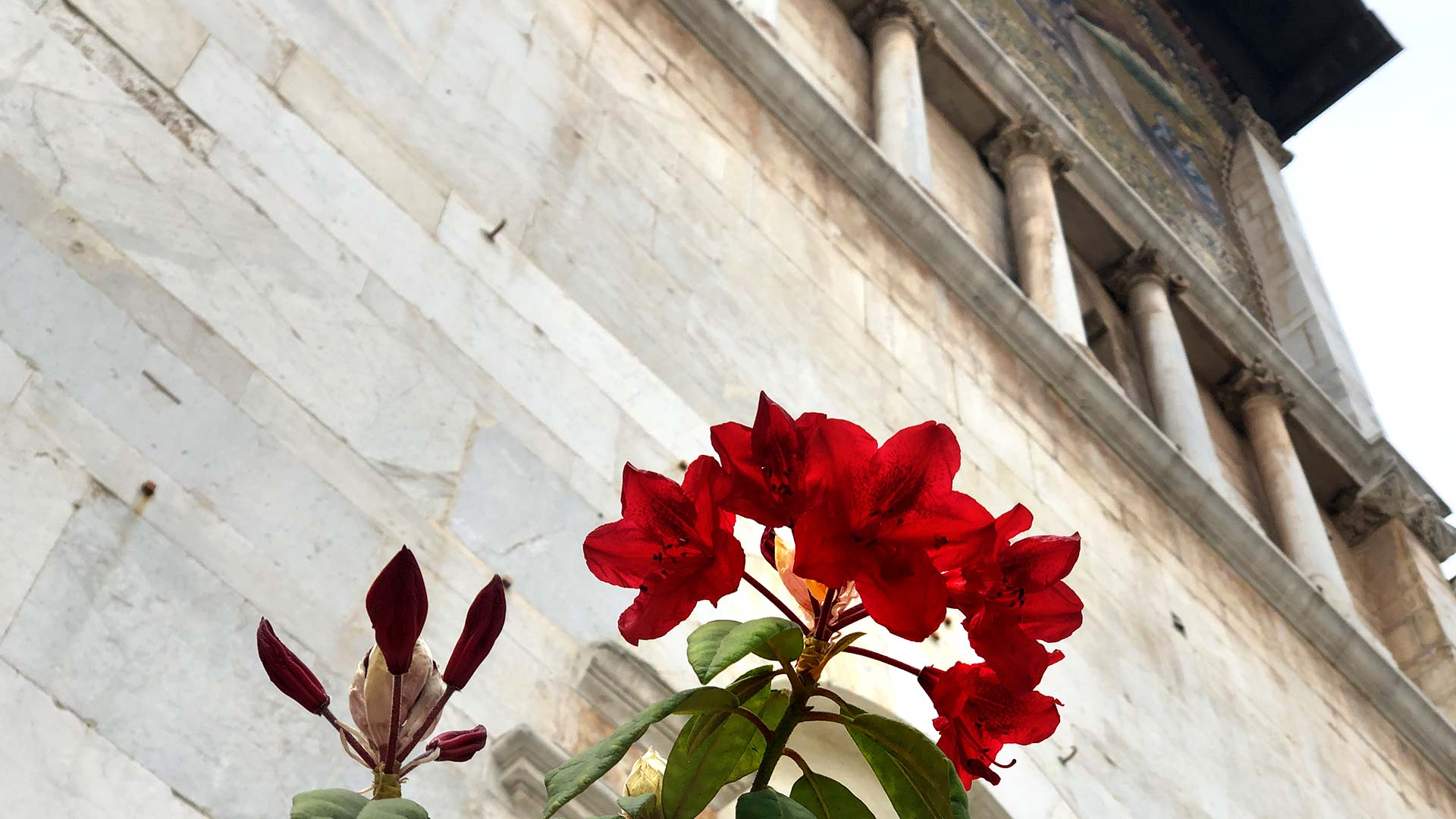
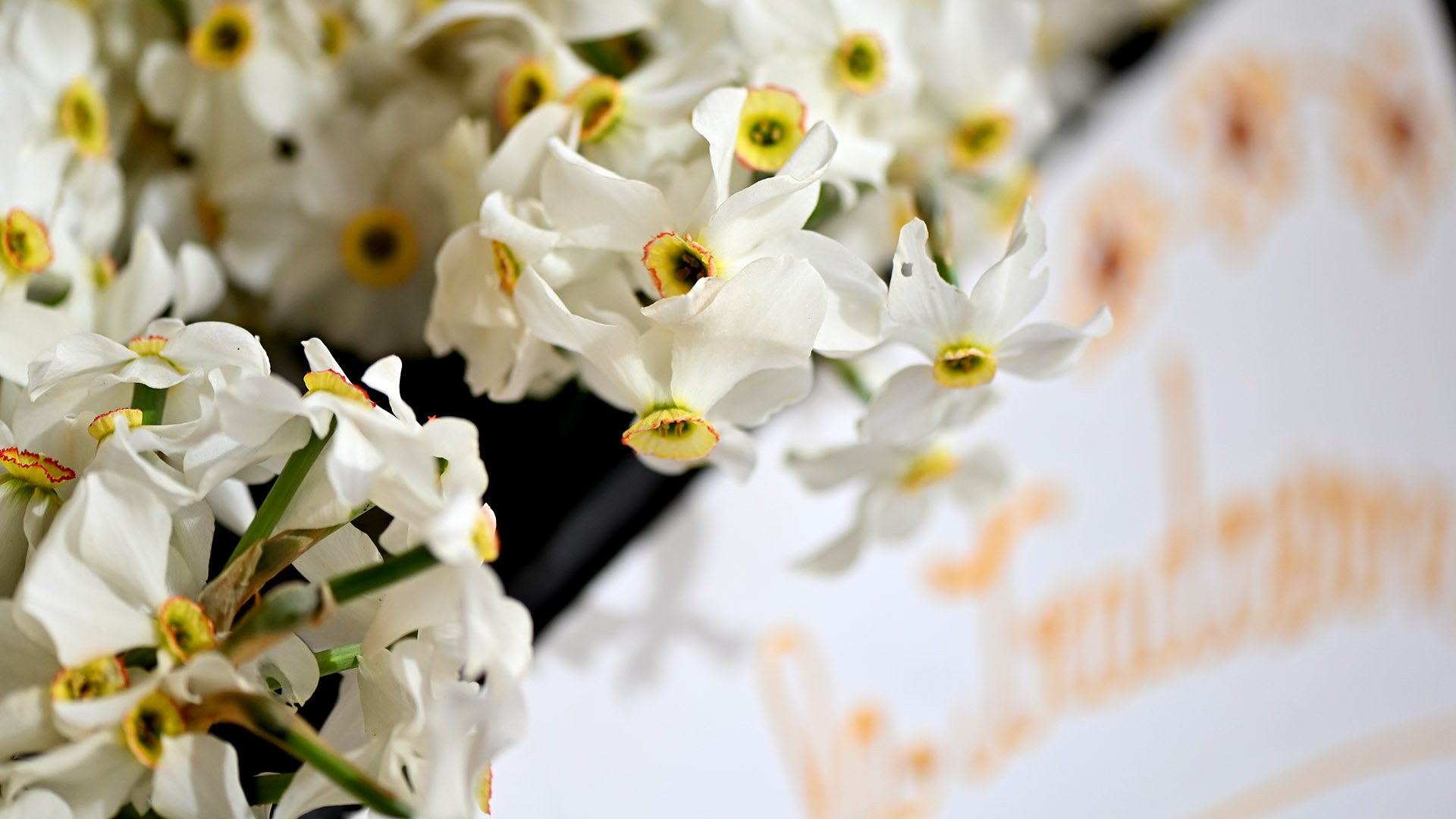
The basilica of San Frediano, a church famous for the richness of the decoration of its façade, holds an equally important treasure: the naturally mummified body of Saint Zita, a saint very dear to the people of Lucca, whose devotion is renewed every year. In those days, in the amphitheatre square a flower market is set up and the adjacent San Frediano square becomes a very colourful garden. On these festive days it is a must to taste the traditional herb pie, prepared with chard and wild herbs, of which the fields and hills surrounding the city are rich in late winter, and it is customary to give loved ones a little bunch of very fragrant jonquils, the tradition of Saint Zita, which can be picked on the hills, or bought at the flower market.
From San Frediano one walks to the left, into via Fontana. It is here that stands the dwelling in which Zita lived and worked for her whole life. A place hidden from the sight of most, because it is situated in one of the many “secondary” little streets of the city, where shops do not front, where the sounds of passers-by arrive muffled and one savours the quiet. Beside the doorway of the Fatinelli palace, set into the wall, the well, surmounted by an aedicule with a 17th-century bas-relief that represents the humble maid in the act of offering water to a pilgrim (it would be learned, but only later, that he was an angel).
Of secret places in Lucca there are very many, and they can be discovered only by staying a little “in the shadows”
in those precisely less-trodden streets, being careful to catch with discretion the treasures that hide behind every gate: small secret gardens, decorations of great noble palaces, a luxury in the compact space of the historic centre of Lucca, visitable only in the second half of May, during the “open gardens” day.
Always welcoming is the small Minutoli-Tegrimi garden, opposite the entrance of the Orsetti palace. Here, hidden by a high wall that surrounds it on three sides, and protected on the other by the walls of the dwellings, is this small green corner, visible from the street only thanks to three barred windows and the access door. In the shade of four very tall trees are bushes of flowers, large well-tended pots, an old well and a fragrant wisteria pergola that runs all around the flower beds, and a little rest in the company of a good book perhaps, and of shy city cats that take advantage of the quiet and find themselves here dozing.
The largest and richest gardens of the city obviously belonged to the residences of the most influential families, whose power was manifested also through the care of their green spaces.
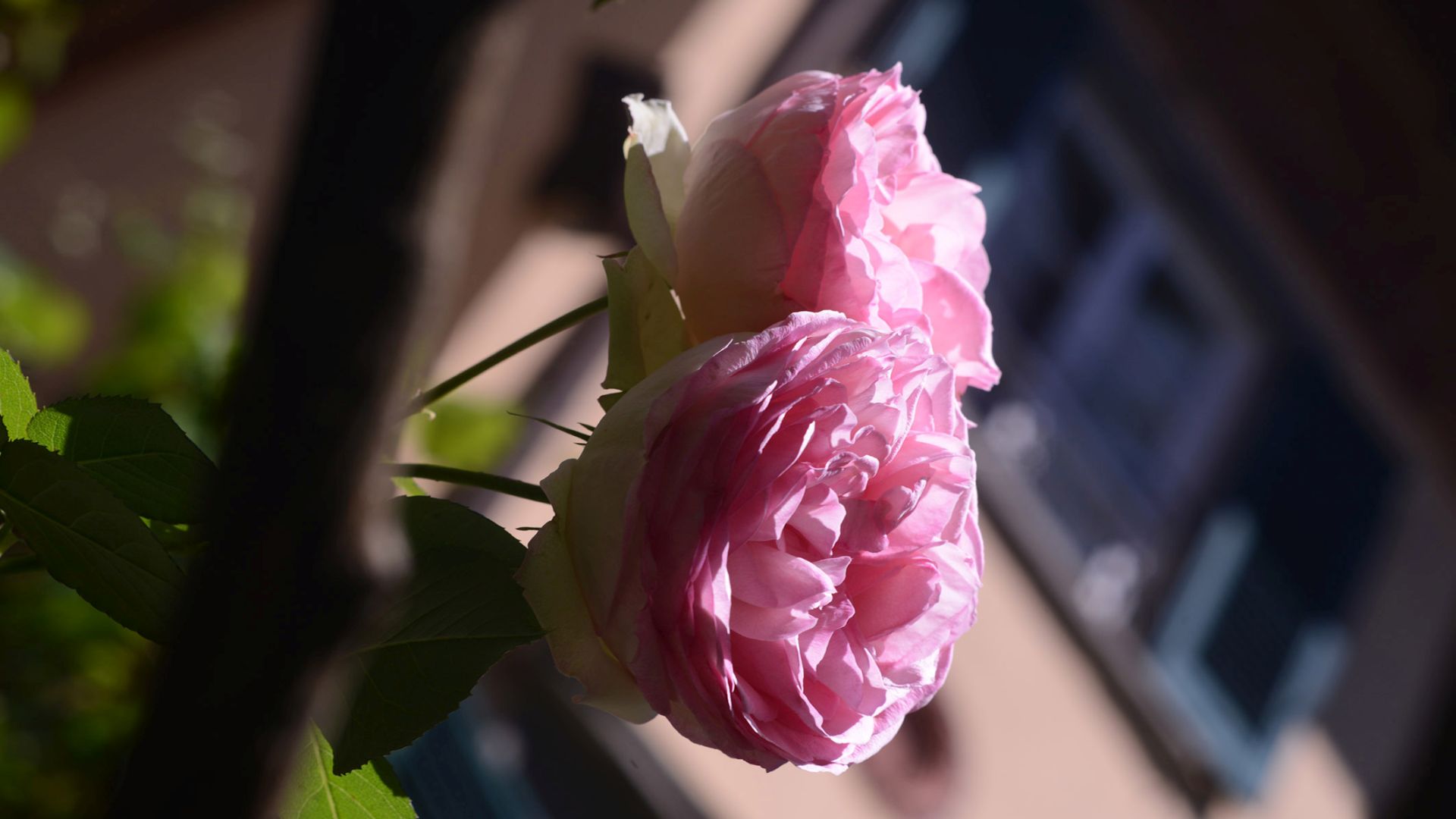
The baroque garden of Palazzo Pfanner, in the northern area, can be seen also from the Walls. A large octagonal basin, eighteenth-century statues, corridors of hedges, groves of bamboo, centuries-old pines, and many flowers: peonies, hydrangeas, begonias, roses, geraniums, ancient camellias and a well-tended ancient lemon house.
The garden of Villa Bottini, in the eastern area, extends all around the villa and is surrounded by a high stone wall onto which numerous windows and three doorways open. In the part in front of the villa a wide avenue divides the lawn into two shaded flower beds. Behind the villa the design is repeated among large flower beds and centuries-old trees, arranged around a large octagonal basin. Everywhere, at the end of winter, camellias of a thousand shades bloom.
In the summer months the garden hosts the open-air cinema: every evening one can thus enjoy auteur films in the cool of the park.
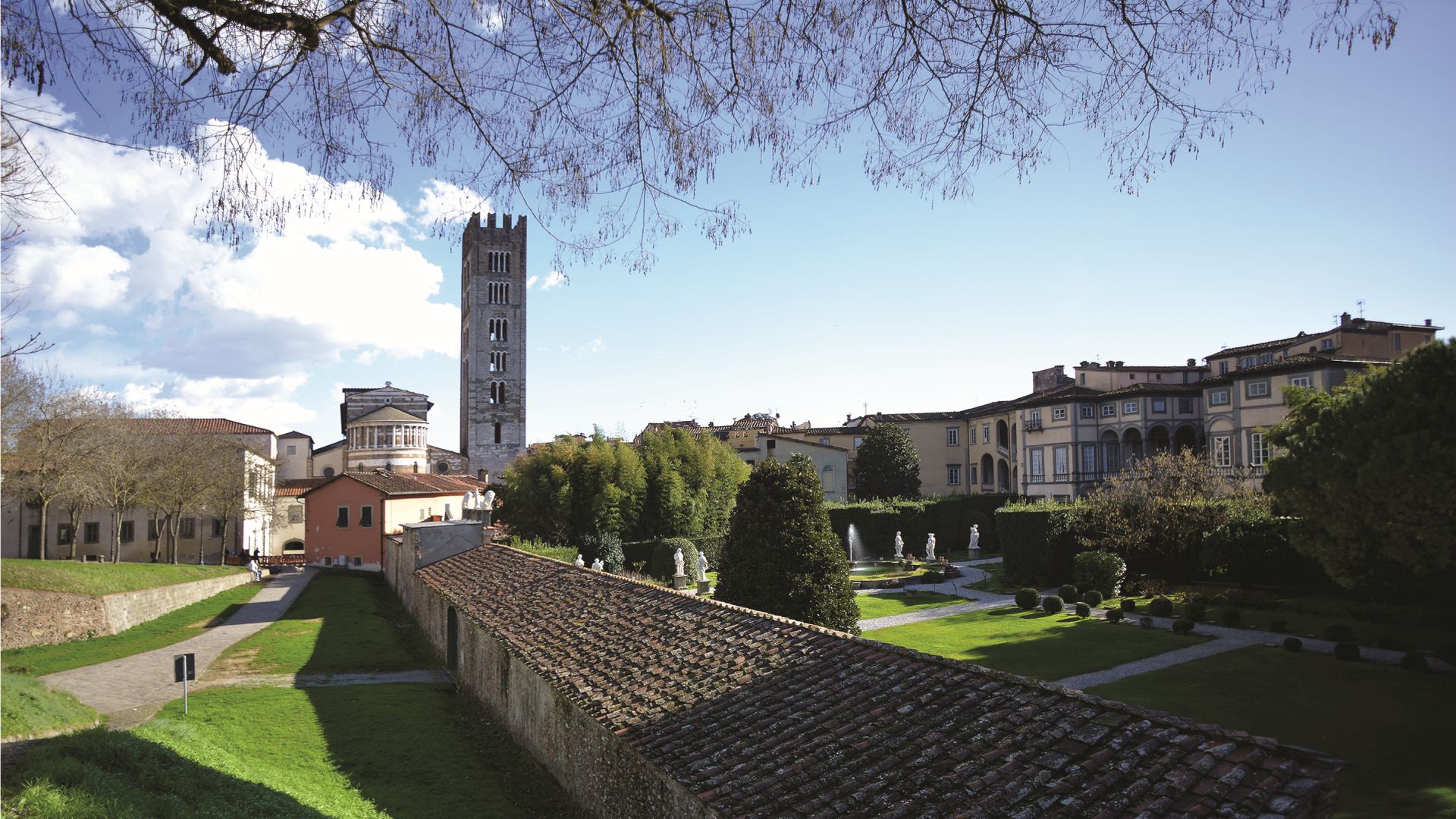
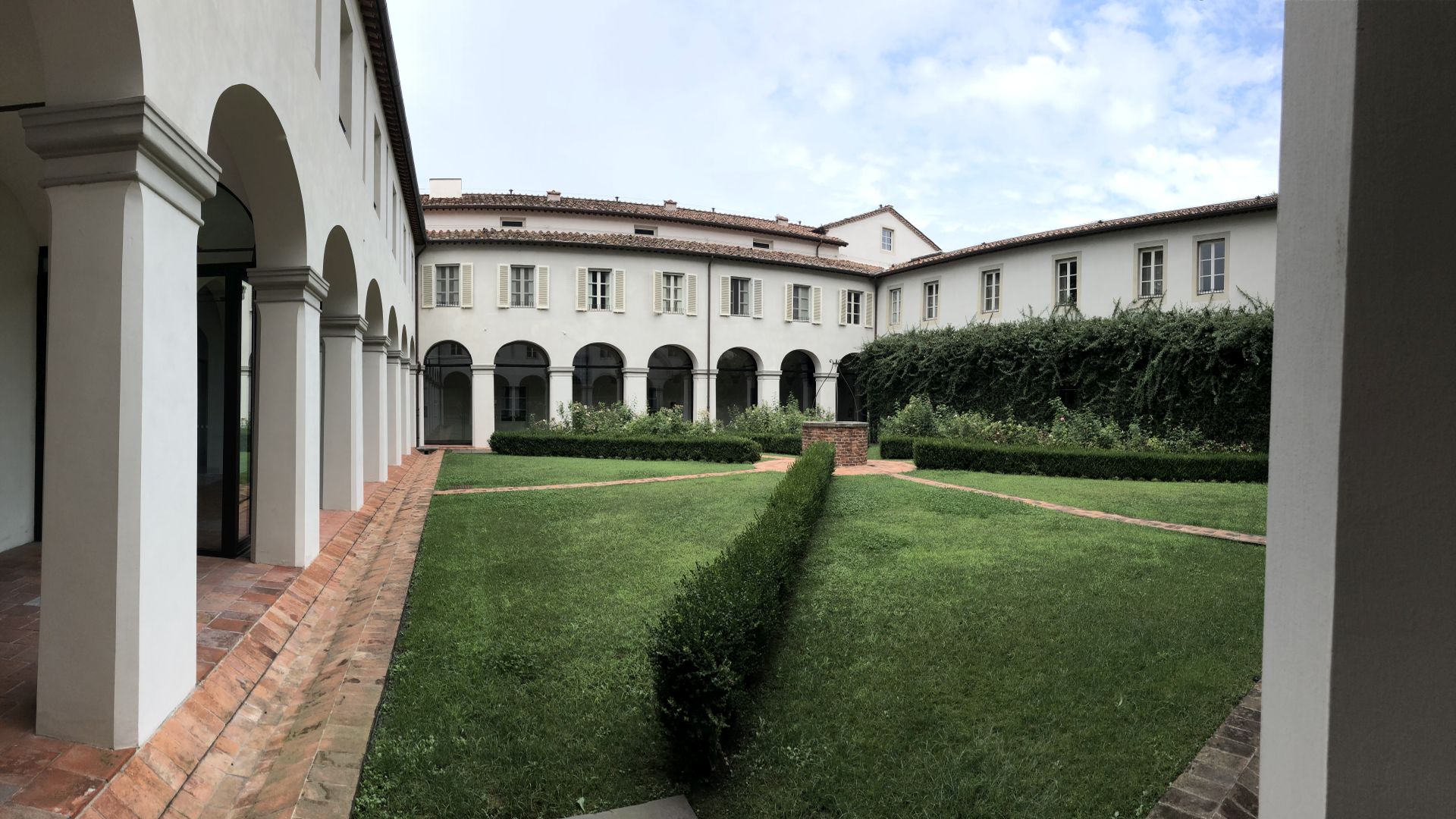
Speaking of secret gardens, one cannot forget that Lucca, the “city of 100 churches”, was also rich in convents and monasteries, gathered around cloisters and courtyards, isolated and well hidden, for the leisure, quiet and reflection of the religious.
Some are today visitable, such as the fifteenth-century cloister of the then convent of the Servite fathers, which now houses the civic library “Agorà“, and is a meeting place for young people and students. The former medieval monastery San Micheletto too holds within it a large garden, surrounded by the portico of what was the friars’ convent, as also does the complex of San Francesco, with the large church and the Franciscan monastery, again accessible after a recent restoration and used for exhibitions, shows, concerts, conferences. Inside the complex one can stroll in the silence of the three quiet adjacent cloisters, until reaching the large open space of the new gardens, with the modern fountain with water features and a space dedicated to the little ones.
From the “elegant green” to the “scientific green”, here we are at the jewel in the crown of this “green” itinerary, which is without doubt the botanical garden, the most precious garden of Lucca, this too jealously hidden within the walls of the city. Two hectares of colours, scents, sounds, which allow one to travel the world, thanks to the ancient collections coming from distant countries, and to discover the environmental treasures of Lucca, thanks to the numerous specimens of local flora from various natural environments reconstructed on the “little mountain” and in the “pond”.
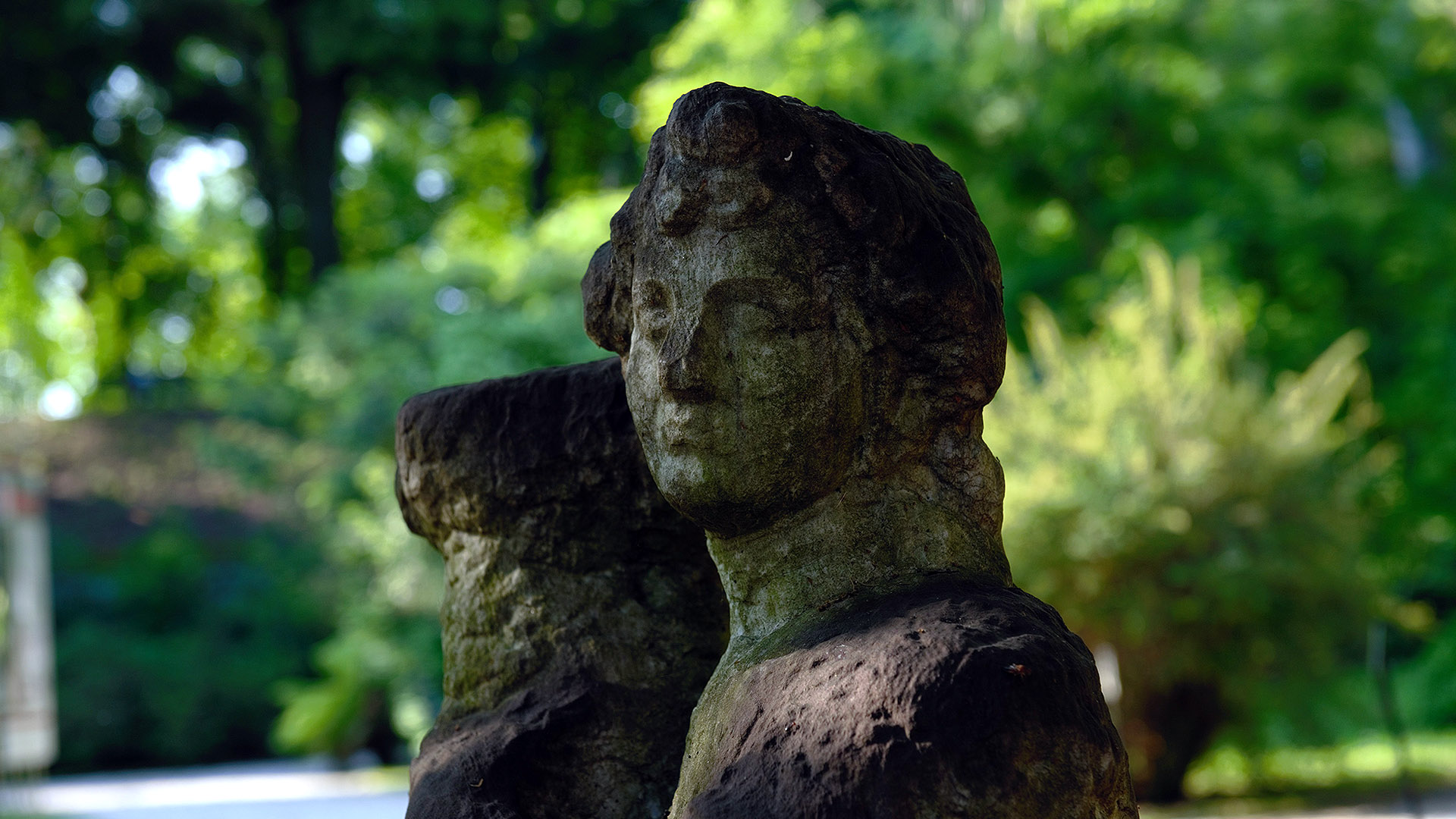
Here legend has it that the body of Lucida Mansi rests, a Lucca noblewoman who sold her soul to the devil in exchange for her beauty, and that on nights of full moon it is still possible to glimpse on the mirror of water the reflection of her face.
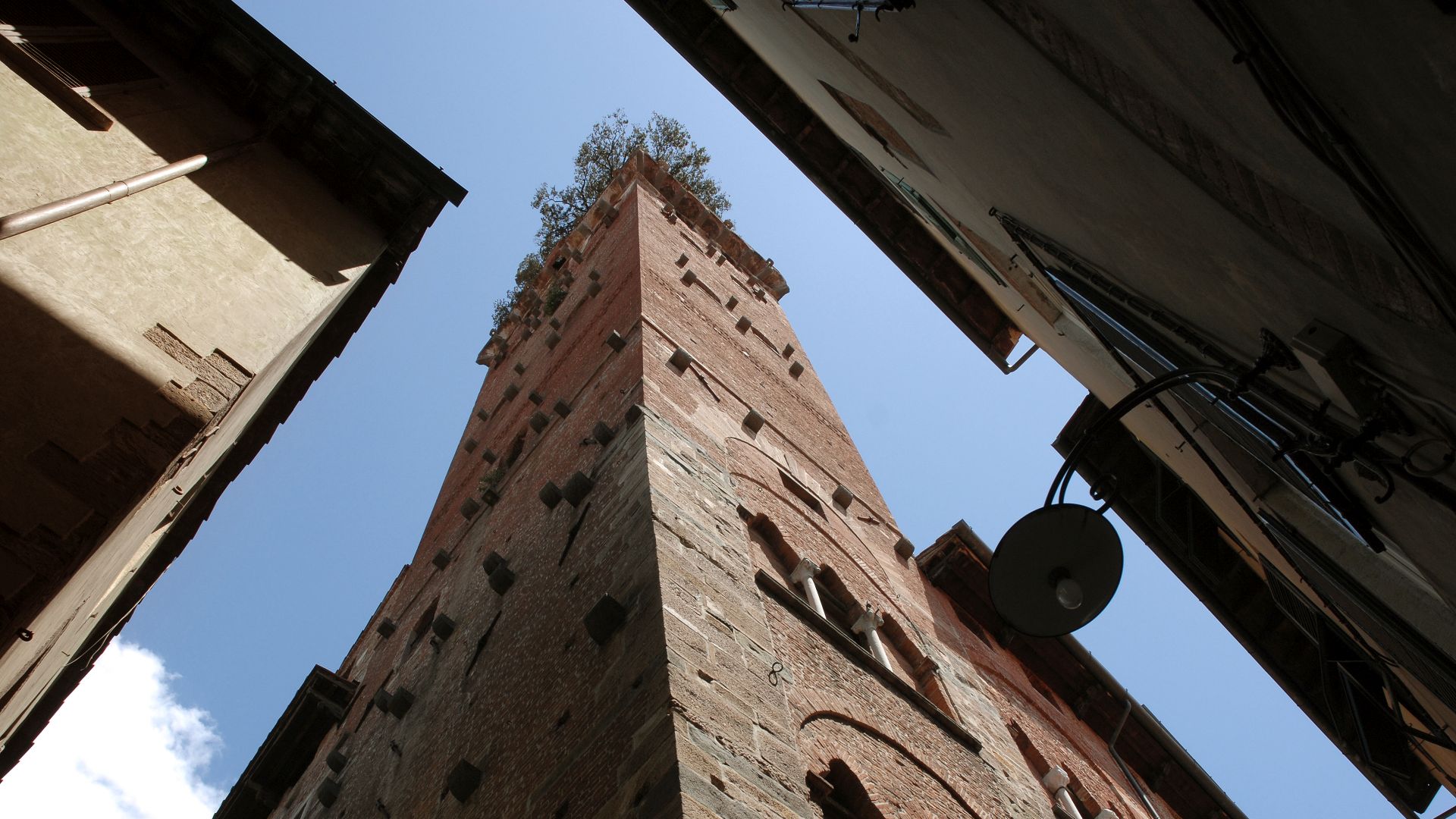
The last stops of this itinerary through the streets of the city are two “improbable greens”, which are found precisely there where plants are not usually accustomed to grow, on two important distinctive symbols of the city. The Torre Guinigi, the tree-topped tower, is a tower of the late medieval era on whose summit a little hanging garden was created with flower beds and seven holm-oak plants.
The city Walls, undoubtedly the most representative monument of the city: a ring of four km, about twelve metres high, crowned by the shade of the foliage of majestic trees, some younger, others centuries old, interspersed with ten wide bastions, veritable gardens above the city. Lime trees, holm oaks, plane trees, oaks, elms, poplars… On each curtain wall there is a different family of trees, in respect of variety. Walks on foot, by bicycle, by rickshaw, by carriage, at a run, will allow you to enjoy the quiet that this green “ring” gives, and you will then be able to admire, from this privileged perspective, others of the inexhaustible treasures that the city shares only with the most attentive and curious observers.